

Why Choosing the Right Shingles Matters for Your Colorado Home
Best shingles for residential roofing combine durability, weather resistance, and aesthetic appeal to protect your home for decades. With Colorado’s extreme weather—from hailstorms to intense UV exposure—selecting the right shingles isn’t just about curb appeal; it’s about safeguarding your investment.
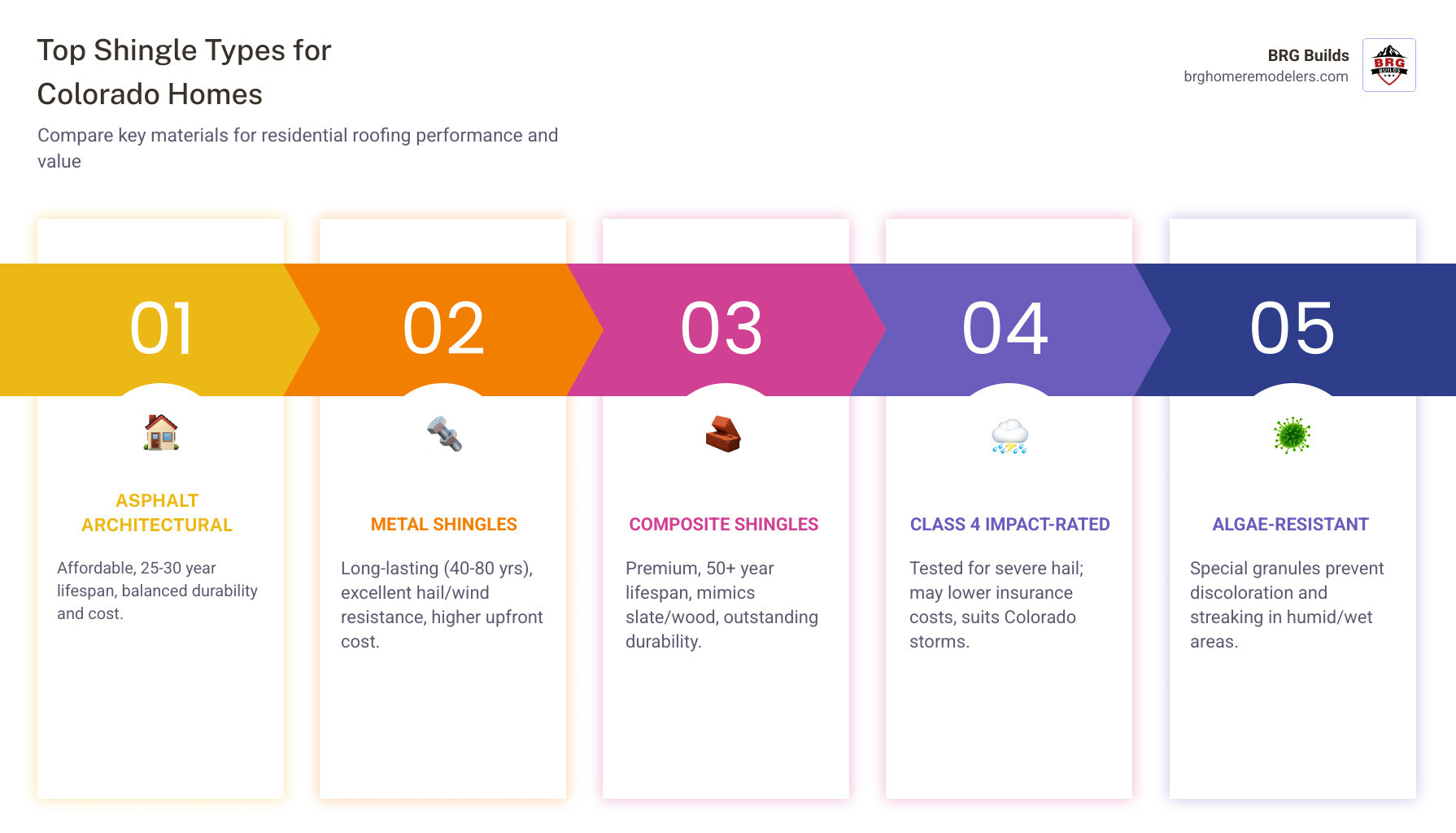
Top residential shingle choices include:
- Asphalt architectural shingles – 25-30 year lifespan, $5-8 per sq ft
- Metal shingles – 40-80 year lifespan, $8-14 per sq ft
- Composite shingles – 50+ year lifespan, premium pricing
- Class 4 impact-rated options – Essential for hail-prone areas
- Algae-resistant varieties – Prevent streaking and discoloration
The national average for roof replacement is $12,500, but material choices dramatically impact both upfront costs and long-term value. Asphalt shingles dominate the market due to their balance of affordability and performance, while premium options like metal and composite offer superior longevity.
Key features to prioritize:
- Wind resistance ratings (110-130+ mph)
- Impact resistance (Class 3 or 4)
- Fire safety (Class A rating)
- Warranty coverage (25-50 years)
I’m Benny Izquierdo, and through over 100 successful roofing projects, I’ve helped Colorado homeowners steer the complex world of best shingles for residential roofing selection. My experience working with insurance carriers and storm damage claims has shown me which materials truly withstand our state’s challenging climate.
Defining the Best Shingles for Residential Roofing
Finding the best shingles for residential roofing isn’t about picking the most expensive option on the shelf. After three decades of protecting Colorado homes, I’ve learned that the “best” shingle is the one that perfectly matches your home’s needs, your budget, and Mother Nature’s local mood swings.
The roofing world has come a long way from the basic asphalt shingles of yesteryear. Today’s shingles pack serious technology—LayerLock adhesion systems, SureNail installation tech, and reflective granules that can slash your cooling costs by up to 15%. Scientific research on cool roof energy savings shows just how much the right shingle choice can impact your monthly energy bills.
Think of it this way: your roof is like a good winter coat for your house. You want something that keeps the weather out, looks good, and lasts long enough to justify the investment.
What Does “Best Shingles for Residential Roofing” Mean?
When I tell homeowners about the “best” shingles, I’m really talking about materials that excel in several key areas that matter most to your daily life.
Service life tops the list because nobody wants to replace their roof every decade. Basic three-tab shingles might give you 15-20 years of protection, while architectural shingles typically deliver 25-30 years of worry-free performance. Premium options can protect your home for 50+ years—that’s potentially the last roof you’ll ever buy.
Wind and hail ratings become especially important here in Colorado, where weather can turn from calm to chaotic in minutes. We always recommend shingles rated for at least 110 mph winds, though many architectural shingles now handle 130+ mph gusts. For hail protection, Class 4 impact-resistant shingles can take two direct hits from a 2-inch steel ball without cracking.
Fire safety ratings range from Class A (the gold standard) down to Class C. Class A shingles provide the strongest defense against fire spread and often qualify for insurance discounts that save you money year after year.
Warranty depth varies dramatically between manufacturers. While basic warranties might cover 20-25 years, premium shingles often come with 50-year non-prorated coverage. But here’s where you need to read the fine print—some “lifetime” warranties only provide full replacement coverage for the first 10 years.
Three Performance Pillars
Every shingle recommendation we make gets evaluated against three fundamental pillars that determine whether your roof will be a hero or a headache.
Weather resistance forms the bedrock of any quality shingle. Colorado throws everything at your roof—temperature swings from -20°F to over 100°F, intense UV rays at high altitude, and hail ranging from pea-sized to golf ball-sized. Modern asphalt shingles handle this abuse through fiberglass mat reinforcement and specialized granule coatings.
Structural weight often gets overlooked, but it’s crucial for your home’s safety. While slate shingles can protect your home for over a century, they weigh 800-1000 pounds per square and require significant structural reinforcement. Most asphalt shingles weigh a manageable 200-400 pounds per square, making them suitable for typical residential structures.
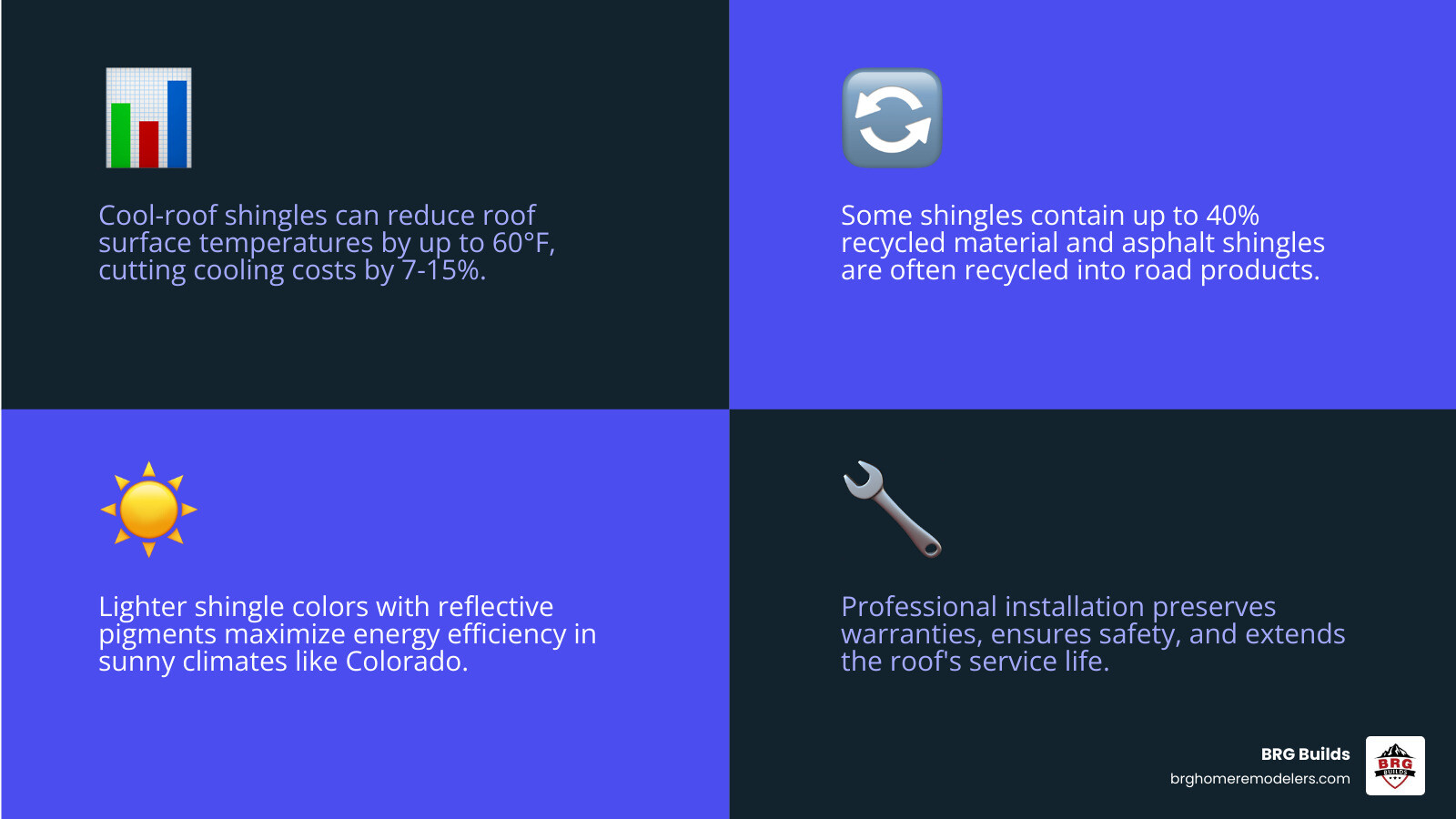
Environmental impact has become increasingly important to Colorado homeowners. Asphalt shingles can be recycled into road paving materials, while metal shingles often contain recycled content and remain fully recyclable. Some manufacturers now offer shingles with up to 40% recycled content.
Comparing Shingle Materials & Profiles
When I walk homeowners through material options, I often see their eyes glaze over at the sheer number of choices. Don’t worry—choosing the best shingles for residential roofing becomes much simpler once you understand what each material actually offers your home.
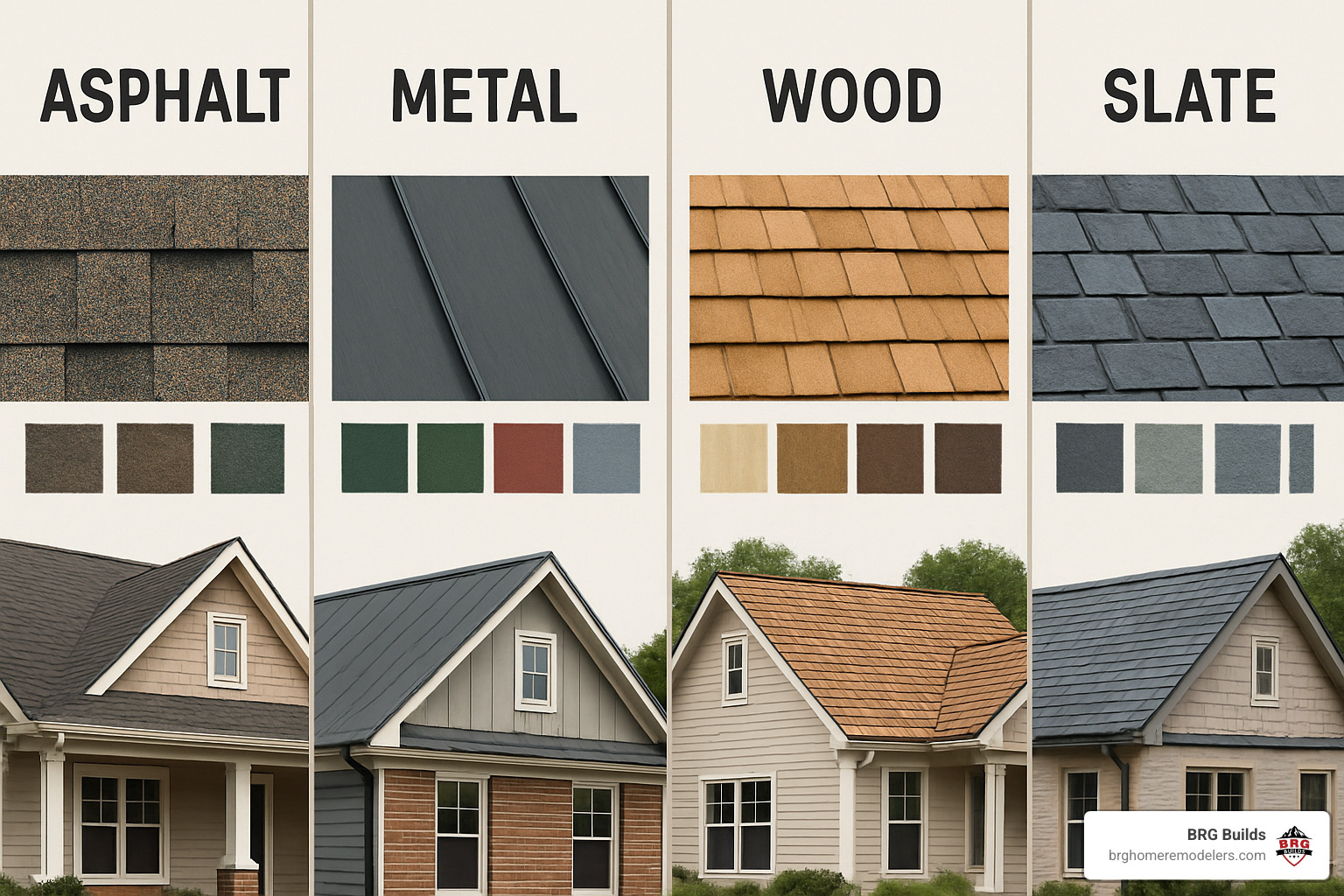
Asphalt shingles are the workhorse of residential roofing, and there’s a reason they’re on about 75% of American homes. They start around $4.25 per square foot for basic options and can reach $12.25 for premium architectural varieties. Modern versions use fiberglass mat cores that make them surprisingly tough against Colorado’s weather extremes.
Metal shingles have really come into their own over the past decade. Yes, they cost more upfront—typically $8-14 per square foot—but when you’re looking at 40 to 80 years of protection, the math starts making sense. I’ve seen metal roofs in the mountains that look practically new after 30 years of brutal weather.
Wood shingles and shakes offer that timeless, natural beauty that some homeowners absolutely love. Cedar varieties can last 40-50 years when properly cared for, but they need regular maintenance to prevent rot and insect damage. Plus, many Colorado communities have fire restrictions that limit wood roofing options.
Composite shingles represent the premium end of the market, combining recycled materials with advanced polymers to create incredibly durable products. These can mimic the look of slate, wood, or tile while offering 50+ year lifespans.
Slate shingles are the ultimate in longevity—I’ve worked on slate roofs that were installed before World War II and still going strong. The challenge is their weight (800-1000 pounds per square) and cost ($12-30 per square foot).
Synthetic shingles offer an interesting middle ground, made from recycled plastics and rubber. They provide excellent weather resistance and can be installed year-round.
| Material | Lifespan | Cost per sq ft | Best for |
|---|---|---|---|
| Asphalt | 20-30 years | $4.25-$12.25 | Most homes, budget-conscious |
| Metal | 40-80 years | $8-$14 | Longevity, weather resistance |
| Wood | 40-50 years | $8-$16 | Natural beauty, maintenance-friendly |
| Composite | 50+ years | $12-$20 | Premium performance |
| Slate | 100+ years | $12-$30 | Historic homes, ultimate durability |
| Synthetic | 30-50 years | $8-$15 | Weather extremes, installation flexibility |
Profiles: Three-Tab vs Architectural vs Luxury
The profile of your shingles affects both how your roof looks and how well it performs. It’s like the difference between a basic sedan and a luxury SUV—they’ll both get you where you’re going, but the experience is quite different.
Three-tab shingles are the most basic option, featuring a single layer with uniform cutouts that create a flat, repetitive pattern. They’re affordable at $4.25-6.50 per square foot, but wind resistance typically tops out around 60-70 mph.
Architectural shingles (also called dimensional or laminate shingles) use multiple layers to create depth and visual interest. They’re typically 25-30% thicker than three-tab options, which translates to better wind resistance—often 110-130+ mph. The layered construction also provides better protection against blow-offs and weather infiltration.
Luxury shingles represent the premium tier, often incorporating multiple colors, specialized shapes, and advanced materials. These products can mimic slate, wood shake, or tile appearances while maintaining the installation advantages of asphalt shingles.
Material Lifespan Snapshot
Basic three-tab asphalt shingles typically provide 15-20 years of service in Colorado’s climate. With proper installation and maintenance, you might stretch that to 25 years, but don’t count on it.
Mid-range architectural shingles offer 25-30 year lifespans, with premium versions reaching 40-50 years. The extra cost usually pays for itself through extended service life and improved weather resistance.
Premier materials like metal (40-80 years), composite (50+ years), and slate (100+ years) offer exceptional longevity but require higher initial investments. When evaluating these options, think about total cost of ownership including maintenance, potential energy savings, and insurance discounts.
The key is matching your material choice to your long-term plans. If you’re planning to stay in your home for decades, investing in premium materials makes sense. If you’re thinking about moving in the next 10-15 years, mid-range options often provide the best balance.
Must-Have Performance & Style Features
When you’re investing in the best shingles for residential roofing, certain performance features can make or break your roof’s ability to protect your home. After installing hundreds of roofs across Colorado, I’ve learned that the right features aren’t just nice-to-haves—they’re essential for long-term success.
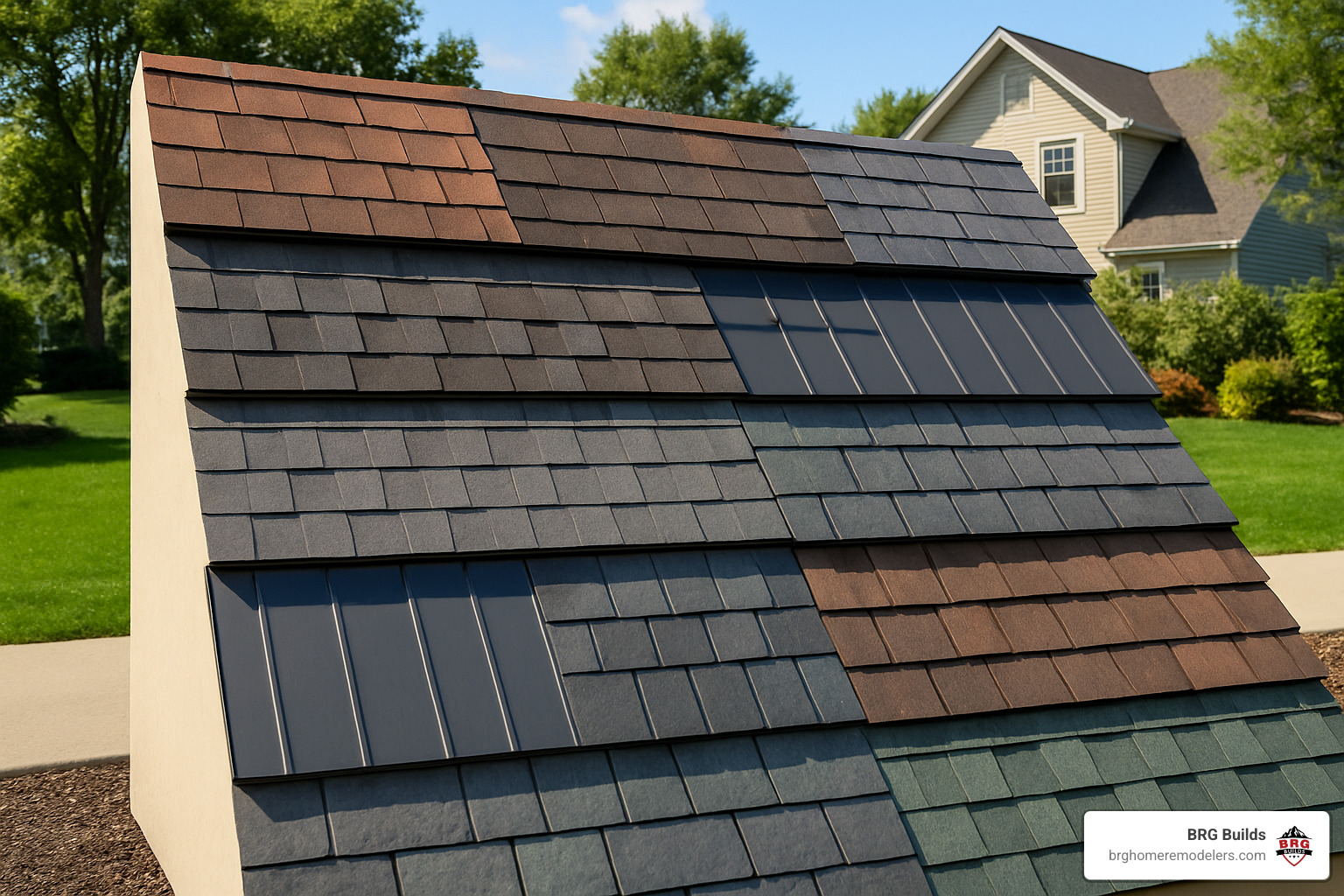
Impact resistance ratings have become absolutely crucial here in Colorado. The difference between Class 3 and Class 4 shingles might seem small on paper, but it’s huge when hail starts falling. Class 4 shingles can take a direct hit from a 2-inch steel ball without cracking—that’s serious protection that can save you thousands after a storm.
Algae resistance might not sound exciting, but those ugly black streaks on your neighbor’s roof? That’s algae, and it can destroy your home’s curb appeal faster than you’d think. Modern algae-resistant shingles use copper or zinc granules that naturally fight off growth.
Every quality shingle should carry a Class A fire rating—the highest level of fire protection available. This isn’t just about safety. Many insurance companies offer discounts for Class A rated roofs, and some areas require this rating due to wildfire risk.
Reflective granules can actually reduce your cooling costs. These specially engineered granules reflect solar radiation, keeping your roof surface up to 60°F cooler than traditional shingles. That translates to real savings on your energy bills, especially during those hot Colorado summers.
Color science has come a long way from the basic browns and grays of decades past. Today’s shingles offer sophisticated color blending that creates depth and visual interest. Light colors help with energy efficiency, while darker tones can complement your home’s architectural style beautifully.
Don’t overlook ventilation synergy—how your shingles work with your attic ventilation system. Quality shingles allow proper air circulation while keeping moisture out. More info about roofing services includes our comprehensive approach to ventilation design.
Climate-Specific Essentials for Colorado
Living in Colorado means dealing with weather that can be downright hostile to roofing materials. Our elevation, temperature swings, and severe weather patterns require specific features that might not matter in other climates.
Hail protection tops our list for obvious reasons. Class 4 impact-resistant shingles cost about 10-15% more than standard options, but they can prevent complete roof replacement after a severe storm. Many insurance companies offer discounts for impact-resistant roofing, helping offset the initial cost.
Freeze-thaw flexibility becomes critical when temperatures swing from -20°F to 80°F in a single day. Standard shingles can become brittle and crack under these conditions. SBS-modified asphalt shingles maintain flexibility even in extreme cold, preventing the cracking that leads to leaks.
High-altitude UV defense is something many homeowners don’t consider. Colorado’s elevation increases UV exposure by about 25% compared to sea level. Quality shingles designed for high-altitude applications use UV-resistant additives and improved granule adhesion to combat this accelerated aging.
Ice-dam underlayment protection is essential in mountain and foothill areas where snow accumulation creates ice dams. Self-adhering ice and water barriers should extend at least 24 inches beyond your interior wall line.
Boosting Curb Appeal & Home Value
The best shingles for residential roofing don’t just protect—they improve your home’s beauty and value. The right choice can transform your home’s appearance while providing decades of reliable protection.
Contrast shading creates the dimensional look that makes architectural shingles so appealing. Instead of flat, uniform color, these shingles blend multiple tones to create depth and visual interest.
Architectural harmony means selecting shingles that complement your home’s style rather than fighting against it. A Tudor-style home might call for slate-look shingles in darker tones, while a contemporary design could handle bold colors or unique profiles.
Resale ROI varies depending on your local market and material choice. While you might not get dollar-for-dollar returns on premium shingles, quality roofing consistently ranks among the top home improvements for resale value. More importantly, a great roof helps homes sell faster and can justify higher asking prices.
Smart Purchasing, Installation & Maintenance Tips
Successful roofing projects require careful planning, quality materials, and professional installation. Our three decades of experience have taught us that shortcuts in any of these areas inevitably lead to problems and additional costs.
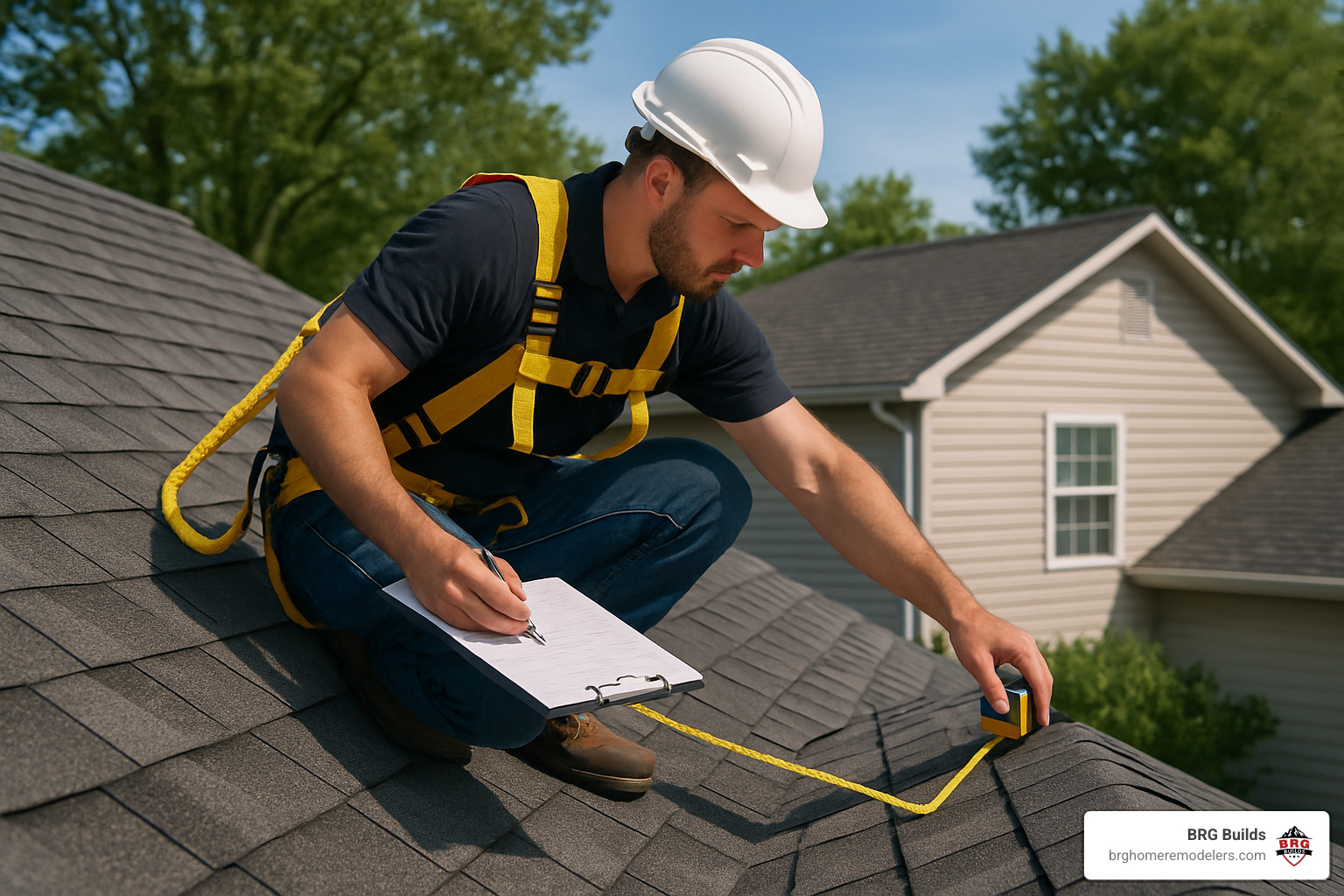
The professional vs DIY installation debate comes up frequently, and I understand the appeal of saving money. However, roofing work involves serious safety risks and technical complexity that most homeowners underestimate. Professional installation ensures proper techniques, maintains warranty coverage, and provides workmanship guarantees. Most manufacturer warranties require professional installation to remain valid.
Permit and code compliance might seem like bureaucratic hassle, but it’s actually protection for you. Most Colorado communities require permits for complete roof replacements, and many have specific requirements for wind and fire resistance. We handle all permitting and ensure compliance with local building codes.
When it comes to contractor vetting, I’ve seen too many homeowners burned by fly-by-night operators. Always verify licensing, insurance, and Better Business Bureau ratings. Quality contractors should provide detailed written estimates, maintain proper insurance coverage, and offer substantial workmanship warranties.
Yearly inspections are like regular check-ups for your roof. Professional inspections evaluate shingle condition, flashing integrity, and ventilation performance. We recommend annual inspections and additional checks after severe weather events.
Gutter hygiene directly impacts your roof’s performance and lifespan. Clogged gutters cause water backup, ice dams, and premature shingle failure. Regular cleaning and maintenance prevent these issues and extend roof life significantly.
Storm response protocols become crucial after Colorado’s severe weather events. We recommend immediate professional inspection after hailstorms, high winds, or heavy snow loads. Quick response can prevent minor damage from becoming major problems.
For comprehensive guidance on roofing best practices, More info about expert tips provides detailed information on maintenance, installation, and material selection.
Reading the Fine Print on Warranties
Warranty coverage varies dramatically among manufacturers and products, making careful evaluation essential. Understanding these terms upfront prevents unpleasant surprises later.
Material coverage typically includes manufacturing defects and premature failure, but coverage often decreases over time. Full replacement coverage is usually limited to the first 10-20 years. After this period, coverage becomes prorated based on remaining warranty life.
Workmanship clauses address installation-related issues but vary significantly among contractors. Quality contractors offer substantial workmanship warranties spanning 5-10 years, while others provide minimal coverage.
Transferability can significantly impact your home’s resale value. Some warranties transfer to new homeowners, while others become void upon property sale. Transferable warranties serve as valuable selling points and should be considered when evaluating products.
Eco-Friendly & Energy-Efficient Options
Environmental consciousness and energy efficiency have become increasingly important in roofing decisions. Modern best shingles for residential roofing offer numerous options for environmentally responsible homeowners without sacrificing performance.
Cool-roof shingles incorporate reflective granules that reduce heat absorption and lower cooling costs substantially. These products can reduce roof surface temperatures by 50-60°F, significantly impacting energy consumption. Energy savings of 7-15% are common with properly selected cool-roof products.
Recyclable content varies among manufacturers, with some products incorporating up to 40% recycled materials. At end-of-life, asphalt shingles can be recycled into road paving materials, while metal shingles remain fully recyclable.
Solar-ready decks accommodate photovoltaic installations without compromising roof integrity. Some shingles are specifically designed for solar integration, providing mounting points and improved structural support.
FAQs & Conclusion: Your Path to the Best Shingles for Residential Roofing
How often should a residential shingle roof be inspected?
Your roof works hard every day, so it deserves regular attention. We recommend annual professional inspections for all residential roofs, plus additional checks after major storms. Think of it like taking your car in for regular maintenance—a little attention now prevents big problems later.
During our inspections, we look at everything from individual shingle condition to flashing integrity and ventilation performance. We’re checking for loose shingles, damaged flashing, or ventilation issues that could lead to water damage, energy loss, or premature roof failure.
After major storms, especially hailstorms here in Colorado, we recommend immediate professional evaluation. Storm damage isn’t always obvious from the ground, but catching it early can save you thousands in additional repairs.
Which shingle color is best for energy efficiency in Colorado’s climate?
Lighter tones with reflective pigments offer the best energy efficiency in our sunny Colorado climate. Light-colored shingles can slash your cooling costs by 7-15% compared to dark alternatives, while reflective granules can lower roof surface temperatures by a whopping 50-60°F.
But here’s the thing—you don’t have to sacrifice style for efficiency. Many manufacturers now offer medium-tone colors with reflective properties, giving you energy benefits without making your home look like a white box. The key is finding best shingles for residential roofing that balance energy performance with your home’s architectural style.
Colors like light gray, beige, and even some blues and greens can provide excellent energy efficiency while complementing Colorado’s diverse architectural styles.
Is hiring a professional worth the extra cost?
Absolutely, and here’s why. Professional installation protects your warranty—most manufacturer warranties become void with DIY installation. That’s potentially tens of thousands of dollars in coverage you’d lose trying to save a few hundred on labor.
Safety is another huge factor. Roofing work involves serious fall risks and requires proper equipment and training. We’ve seen too many homeowners injured attempting DIY roofing projects. Your family needs you safe on the ground, not taking unnecessary risks on the roof.
The long-term savings often outweigh the initial cost difference. Proper installation prevents costly repairs and extends your roof’s life. Plus, professional contractors ensure code compliance, handle permitting, and provide workmanship warranties that protect your investment.
BRG Builds has been Colorado’s trusted roofing partner for over 30 years. We’ve helped hundreds of homeowners steer the complex world of shingle selection, installation, and maintenance. Our experience with Colorado’s unique climate challenges—from hailstorms to high-altitude UV exposure—means we understand exactly what your roof needs to perform at its best.
Ready to find the best shingles for residential roofing for your home? Here are your next steps:
- Schedule a free consultation to assess your current roof condition
- Discuss your budget, style preferences, and performance priorities
- Review material options and warranty coverage
- Get a detailed estimate with timeline and material specifications
- Plan your installation around Colorado’s weather patterns
Don’t wait until small problems become expensive emergencies. Contact BRG Builds today to start your journey toward a beautiful, durable roof that will protect your home for decades to come. More info about roofing services and our comprehensive approach to residential roofing solutions.
Your home deserves the best protection, and we’re here to make sure it gets exactly that.
Your Next Steps with BRG Builds
After three decades of helping Colorado homeowners protect their most valuable investment, we know that choosing the best shingles for residential roofing can feel overwhelming. The good news? You don’t have to steer this decision alone.
Our journey with each homeowner begins with understanding your unique situation. Maybe you’re dealing with hail damage from last spring’s storms, or perhaps you’ve noticed a few missing shingles after those brutal winter winds. Whatever brought you here, we’re ready to help you find the perfect roofing solution.
Getting started is easier than you might think. We begin with a comprehensive consultation where we’ll assess your current situation. During this visit, we’ll discuss your priorities—whether that’s maximum durability, energy efficiency, or staying within a specific budget. There’s no pressure, just honest advice from people who’ve seen it all.
One thing that sets us apart is our material showcase. We bring actual shingle samples so you can see and feel the quality differences between basic three-tab shingles and premium architectural options. It’s one thing to read about impact resistance; it’s another to hold a Class 4 shingle in your hands.
Your timeline matters to us. Colorado weather doesn’t wait for anyone, and neither should your roof replacement. We’ll work with you to plan installation around weather patterns and your family’s schedule. Spring and fall are our busiest seasons, but we maintain crews year-round because roof problems don’t take vacations.
We handle all the details that can make roofing projects stressful. Permits, material delivery, site preparation—consider it done. We’ve worked with every municipality from Denver to Colorado Springs, so we know exactly what’s required in your area.
The communities we serve throughout the Front Range have trusted us with thousands of roofing projects. From historic homes in Golden to modern builds in Highlands Ranch, we understand how different architectural styles and local conditions affect material choices.
Your roof deserves the best, and that means working with contractors who understand Colorado’s unique challenges. We’ve weathered every storm alongside our neighbors, and we’re not going anywhere.
Ready to take the next step? More info about roofing provides comprehensive details about our services, or give us a call to schedule your free consultation. Your peace of mind is worth the conversation.


