

Why Smart Planning Makes Remodeling on a Budget Actually Work
Remodeling on a budget doesn’t mean settling for cheap-looking results. The key is knowing where to spend and where to save.
Quick Budget Remodeling Strategies:
- Paint over replace – Cabinets, walls, and floors for maximum impact
- Keep plumbing in place – Moving fixtures can add $5,000+ to costs
- Shop salvage centers – Find materials at 50% off retail prices
- DIY the simple stuff – Painting, hardware swaps, and basic installations
- Build in 10-20% cushion – For unexpected expenses that always pop up
The average kitchen remodel costs $80,000 – about the same as an Ivy League education. But homeowners are proving you can get stunning results for a fraction of that cost. One Massachusetts couple transformed their dated kitchen for just $500 by painting cabinets white, stripping old linoleum to reveal hardwood floors, and adding simple hardware updates.
The secret isn’t cutting corners – it’s being strategic about where you invest.
Smart remodeling starts with understanding which upgrades deliver the biggest visual impact for the least money. Paint can transform any space for under $100. Cabinet refacing costs thousands less than replacement. Peel-and-stick tiles give you designer looks without the installer fees.
I’m Jeff LaForce, and I’ve completed over 100 successful home improvement projects, helping Colorado homeowners maximize their investment through strategic remodeling on a budget approaches. My experience has shown that the best results come from careful planning, smart material choices, and knowing when to DIY versus when to call the pros.
Remodeling on a Budget: Plan First, Spend Smart
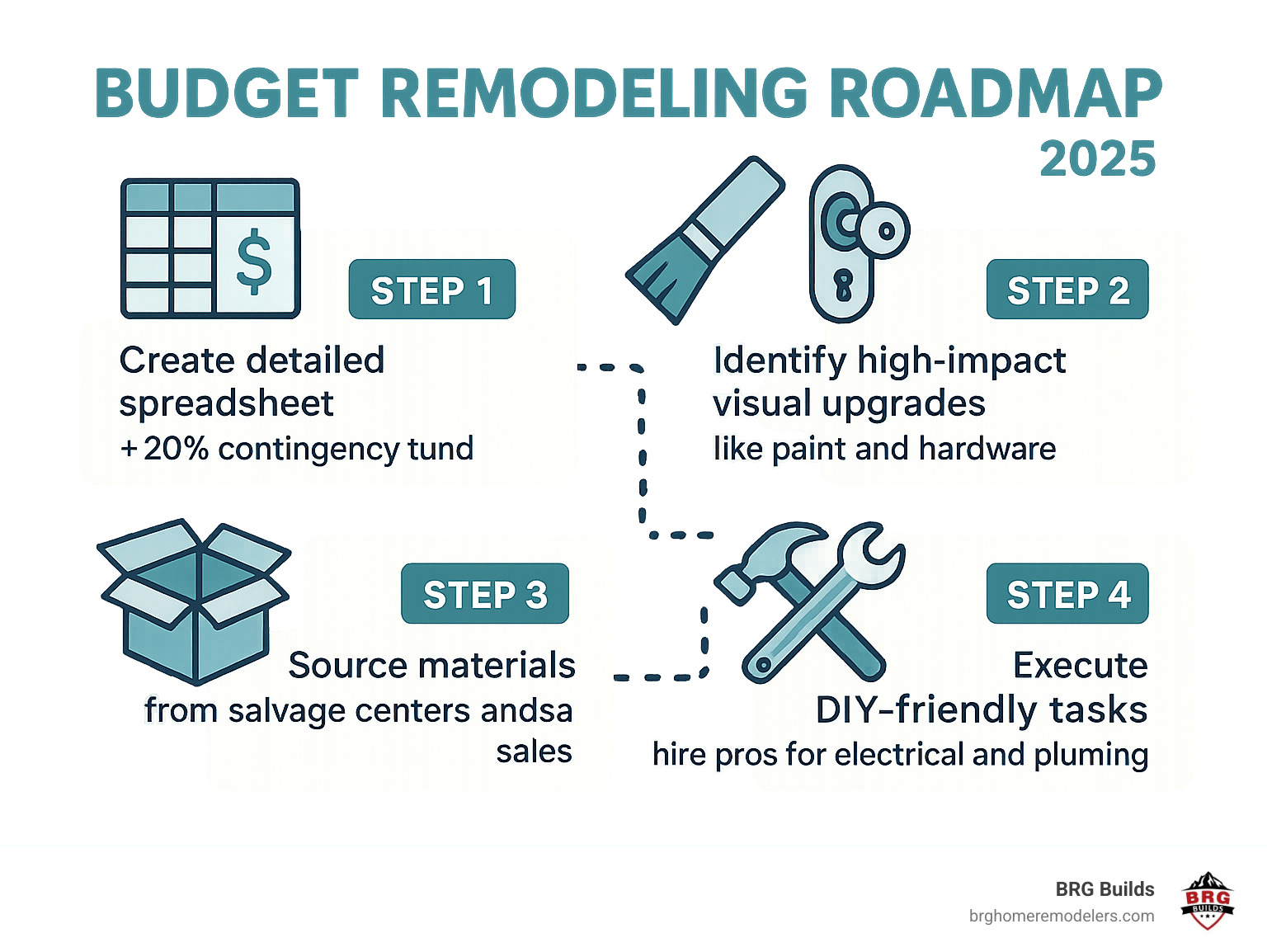
Here’s the truth about remodeling on a budget: the difference between a dream change and a financial nightmare comes down to one simple thing – planning. I’ve watched too many homeowners dive headfirst into projects with nothing but enthusiasm and a rough guess at costs, only to find themselves staring at half-finished rooms and empty bank accounts.
Your secret weapon? A detailed line-item spreadsheet that becomes your project’s best friend. This isn’t just helpful – it’s absolutely essential for keeping your remodeling on a budget dreams on track.
Start by breaking your budget into clear categories. Room upgrades should cover paint, flooring, fixtures, and any professional trades you’ll need. DIY projects get their own section for built-ins, furniture builds, and smaller crafts. Don’t forget furnishings like rugs, window treatments, and storage solutions. Most importantly, build in that 10-20% contingency fund – trust me, you’ll need it.
The permit fees alone can surprise you. Even simple electrical work often requires permits here in Colorado, and those fees can add hundreds to your project cost. When getting quotes from professionals, the cheapest bid isn’t always your best value. A contractor who underbids might cut corners or hit you with change orders later.
Here’s where many budget remodels go wrong: homeowners forget to factor in realistic quotes for professional work they can’t handle themselves. That beautiful tile backsplash might cost $200 in materials, but if you’re not comfortable with tile work, professional installation could add another $1,000 to your budget.
| Task Type | DIY Cost | Professional Cost | Time Investment |
|---|---|---|---|
| Cabinet Painting | $100-200 | $800-1,500 | 2-3 weekends |
| Tile Backsplash | $200-400 | $1,200-2,000 | 1-2 weekends |
| Bathroom Vanity Install | $300-500 | $800-1,200 | 1 weekend |
| Flooring (peel-stick) | $1-5/sq ft | $3-8/sq ft | 1-2 weekends |
Creating a Remodeling on a Budget Spreadsheet
Your spreadsheet should work as hard as you do. Set up formulas that automatically calculate totals and track your spending against your budget in real-time. Create separate tabs for different rooms or project phases – this keeps everything organized and prevents that overwhelming feeling when you’re looking at one massive list.
Essential columns to include: estimated costs, actual costs, vendor information, and a notes section where you can track everything from delivery dates to color choices. For materials, break it down into paint, lumber, hardware, and fixtures. Tools deserve their own category, especially if you’re renting equipment or buying new power tools. Labor costs should cover professional services, permits, and inspections.
Here’s a pro tip: Use a Smart layout tool to minimize material waste when planning lumber cuts. This simple step can save you 10-15% on material costs by optimizing how you use each board or sheet. When you’re remodeling on a budget, every dollar counts.
Hidden Costs That Derail Remodeling on a Budget
The costs that blindside homeowners aren’t usually the big-ticket items you’ve planned for. They’re the dozens of small expenses that sneak up and multiply faster than rabbits in springtime.
Dumpster rental hits most homeowners as a surprise – that 20-yard container you’ll need for debris can cost $300-500. Material delivery fees add $50-100 per order, and they add up quickly when you’re making multiple trips to the home improvement store.
One homeowner I worked with recently told me they completely forgot to budget for door hardware. They got to the end of their beautiful kitchen renovation and suddenly realized they needed cabinet pulls and door knobs – scrambling to find an extra $200 they didn’t have. Hardware oversights are notorious budget-busters because we focus on the big-picture items and forget the finishing touches.
That 10-20% cushion isn’t pessimistic planning – it’s realistic. Every successful budget remodel I’ve seen included this buffer, and every disaster story I’ve heard skipped it.
High-Impact Upgrades That Fool the Eye
Here’s the secret every successful remodeling on a budget project shares: it’s not about how much you spend, it’s about understanding what the human eye notices first. Some upgrades cost thousands but barely register visually, while others transform entire spaces for the price of a nice dinner out.
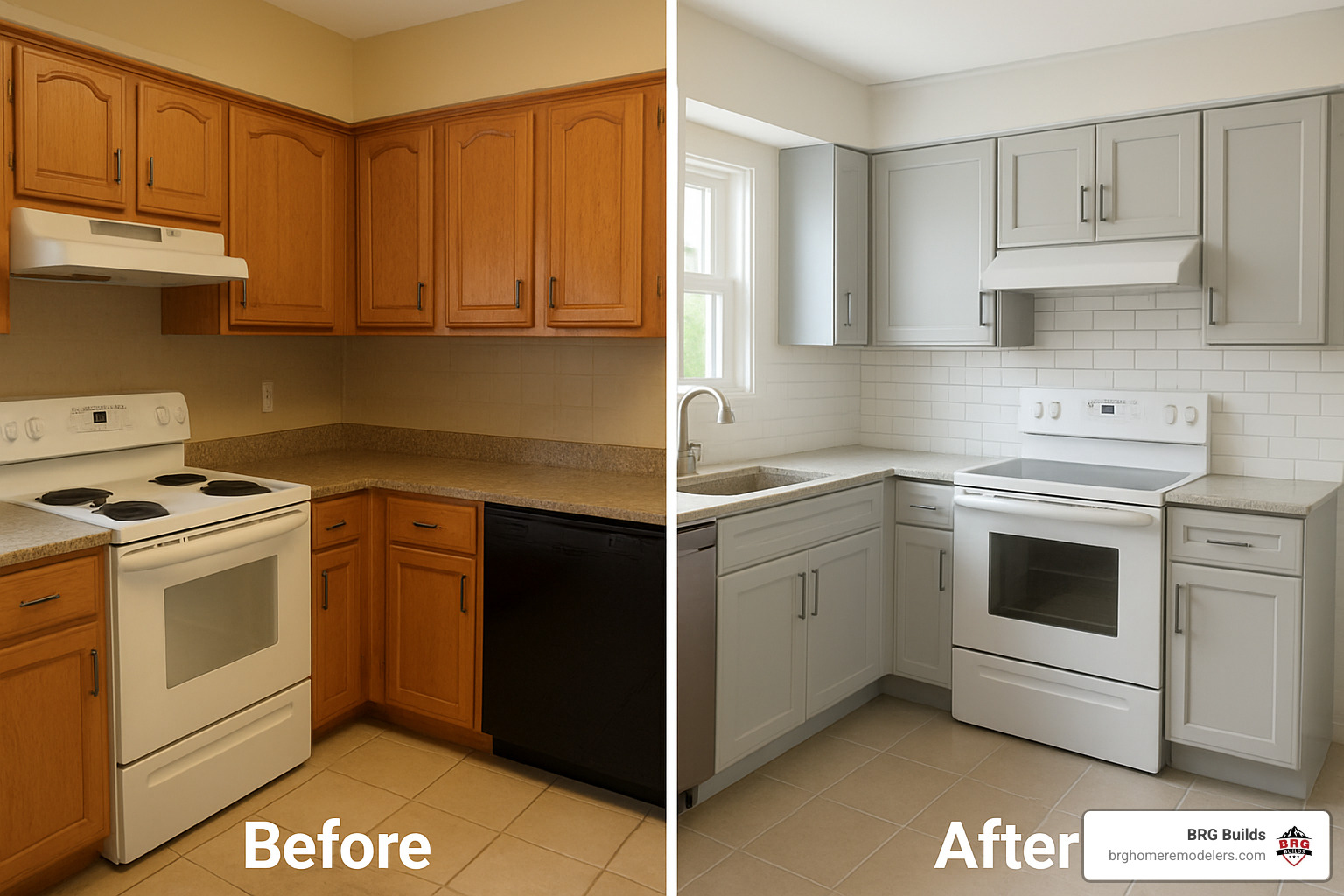
Paint is pure magic when it comes to budget changes. I’ve watched homeowners completely change their kitchen’s personality with $200 worth of cabinet paint, creating results that look like they spent $20,000. The key is choosing the right color and taking time to prep properly – rushed paint jobs always show.
Cabinet refacing or painting saves thousands compared to replacement while delivering nearly identical visual impact. When you combine fresh cabinet paint with new hardware, you’re essentially getting a brand-new kitchen for a fraction of the cost. Those little details – like swapping basic knobs for stylish pulls – make people think you’ve done a complete renovation.
Modern peel-and-stick tiles have revolutionized budget remodeling. Gone are the days of obvious fake finishes. Today’s options convincingly mimic marble, subway tiles, and even designer ceramics. At $3-8 per square foot, they cost a fraction of real tile installation but deliver sophisticated looks that fool everyone.
Statement lighting creates instant wow factor for surprisingly little money. Swapping builder-grade fixtures for stylish pendants or chandeliers transforms any space without rewiring. A $150 fixture can make a room feel completely custom and expensive.
Kitchen Glow-Up Under $1K
Kitchens have a reputation for devouring renovation budgets, but strategic updates can deliver magazine-worthy results for under $1,000. The trick is focusing on the elements that dominate the visual space.
Cabinet paint is your secret weapon. It’s the single most impactful change you can make in any kitchen. Sand lightly, prime properly, and invest in high-quality paint designed specifically for cabinets. The difference between cheap paint and good paint shows immediately and lasts for years.
Butcher block countertops offer gorgeous warmth for a fraction of quartz or granite costs. A beautiful butcher block surface starts around $500, compared to $3,000+ for stone. Plus, you can install it yourself with basic tools and some patience.
Converting upper cabinets to open shelving opens up the space visually and forces you to keep things organized. Remove the doors, paint the interior to match your walls, and suddenly you have a feature that looks intentionally designed. The materials cost under $200, but the impact is dramatic.
Hunt for appliance deals at places like Habitat ReStore, where quality appliances sell for 50% off retail prices. Sometimes patience pays off – waiting for the right deal can save hundreds.
For more comprehensive kitchen renovation ideas, check out our Kitchen Remodels page.
Bathroom Refresh Without a Gut Job
Bathrooms cost more per square foot to renovate than any other room, but you can achieve a spa-like change without touching a single pipe or wire. The key is working with what you have while making strategic updates.
Painting your vanity instead of replacing it can save $1,000-3,000 while delivering nearly identical visual results. Choose a bold navy or classic white for maximum impact. This single change often makes people think you’ve done a complete renovation.
Upgrading the faucet provides instant modernization for $100-300. It’s amazing how much more expensive a room looks with quality hardware. Choose finishes that complement your new vanity color for a cohesive, designed look.
Swapping the mirror creates personality without major expense. A vintage find from a thrift store or modern geometric shape from a discount retailer can completely change the room’s character. Look for pieces with interesting frames or unique shapes.
Grout renewal products work wonders for tired tile. For under $40, you can make old grout lines look fresh and clean. It’s a small detail that makes everything else look better.
For more bathroom renovation inspiration, visit our Bathroom Remodels page.
Stretch Your Materials Dollar
The smartest remodeling on a budget tip I can share? Half your renovation budget can disappear into materials if you’re not careful about sourcing. But here’s the good news – with some detective work and strategic timing, you can cut material costs by 30-50% without anyone being able to tell the difference.
Start by taking a hard look at what you already have. Those solid wood cabinets from the 1980s might look dated, but underneath that honey oak finish could be beautiful wood just waiting for a fresh coat of paint. We’ve helped homeowners find gorgeous hardwood floors hiding under old carpet – a $500 refinishing job instead of a $5,000 replacement.
Habitat ReStore has become my go-to recommendation for budget-conscious homeowners. Last month, I watched a client find marble countertop remnants for $200 that would have cost $2,000 new. The selection changes constantly, but that’s part of the treasure hunt appeal. You’ll find everything from barely-used appliances to architectural salvage that adds character money can’t buy.
Contractor leftovers are another goldmine. Professional contractors often have half-boxes of tiles, extra paint, or surplus materials from completed jobs. They’d rather sell these at half price than store them indefinitely. I’ve seen homeowners tile entire bathrooms with beautiful ceramic found this way.
Look-alike finishes have improved so dramatically that even design professionals have trouble telling the difference. Today’s laminate countertops convincingly mimic marble and granite. Luxury vinyl plank flooring looks like hardwood but costs 50-70% less and handles moisture better. Prefab vanities offer custom looks without the custom price tag – you can find solid wood options for under $500 that would cost $2,000+ custom-built.
Check out Habitat ReStore deals in your area for amazing material savings that support a great cause.
Smart Sourcing & Buying Timing
Timing your material purchases is like playing the stock market – patience pays off. Schedule major projects during contractors’ off-peak seasons (late fall through early spring) when everyone’s desperate for work and materials suppliers want to clear inventory.
I’ve seen homeowners save 60% on tiles and fixtures during end-of-season clearances. The secret is thinking one season ahead – buy summer patio materials in November, or stock up on indoor project supplies in late spring when everyone’s focused on outdoor work.
Scratch-and-dent appliances are budget gold. That tiny dent on the side of a refrigerator that will be hidden against your wall anyway? It can save you $500-1,500 per appliance. The functionality is identical, but the price tag tells a very different story.
Eco-Friendly Savings That Add Value
Here’s something that surprises many homeowners: green upgrades often cost less upfront and save money long-term. LED lighting might cost more initially, but these bulbs last 25 times longer than old incandescent ones and use 75% less energy. Do the math, and you’re looking at serious savings.
Low-VOC paints cost about the same as regular paint but improve your indoor air quality – especially important during renovation when you’re spending lots of time breathing paint fumes. Your lungs and your wallet will thank you.
Energy-efficiency rebates can offset upgrade costs significantly. Many Colorado utilities offer rebates for LED lighting, efficient appliances, and insulation improvements. Natural light tubes cost $200-500 installed but bring beautiful daylight into dark spaces without the expense of adding new windows.
Consider consulting an EnerGuide evaluator to identify the most cost-effective energy improvements for your specific home and situation.
DIY or Hire? Budget-Friendly Decision Guide
Knowing when to DIY and when to bring in the pros can be the difference between big savings and an expensive redo. Start with a brutally honest skills check:
- Can you measure accurately and use common power tools?
- Do you own or plan to rent the right equipment?
- Can you dedicate full, interruption-free weekends?
If any answer is “no,” the project probably belongs with a professional.
| Typical Task | DIY-Friendly | Hire a Pro |
|---|---|---|
| Painting walls & cabinets | Yes | Only if time-crunched |
| Hardware swaps | Yes | Rarely needed |
| Click-lock vinyl plank | Yes, with patience | Installers if time is tight |
| Backsplash tile | Possible for detail-oriented DIYers | Tile setters for flawless finish |
| Electrical beyond fixture change | No | Always |
| Moving plumbing | No | Always |
Weekend Projects With Big Payoffs
- Built-in shelving – simple boxes, dramatic impact.
- Accent walls – board-and-batten or shiplap for $100-300.
- Floating shelves – teach you stud-finding and secure mounting.
Each project uses inexpensive lumber and common fasteners yet looks custom when painted to match your trim.
When to Pick Up the Phone
- Electrical rerouting, gas lines, roof work, asbestos, or load-bearing walls – the safety, code, and insurance risks outweigh any savings.
- If local permits are required and you’re unsure of the process, a licensed contractor keeps you legal and on schedule.
I’ve seen $1,500 of professional electrical work save homeowners from $5,000 in post-inspection fixes. A quick consult with BRG Builds can clarify costs before you commit. For complex projects, visit BRG Builds: Expert Tips on Roofing and Remodeling and schedule a walkthrough.
Rule of thumb: keep plumbing and major wiring where they are, and use DIY muscle on paint, trim, and surface upgrades. That’s the sweet spot for true remodeling on a budget.
Tracking, Contingency & Staying Sane During the Remodel
Here’s something nobody tells you about remodeling on a budget: the numbers can get away from you faster than a toddler in a candy store. One day you’re feeling great about your careful planning, and the next you’re staring at receipts wondering where that extra $500 went.
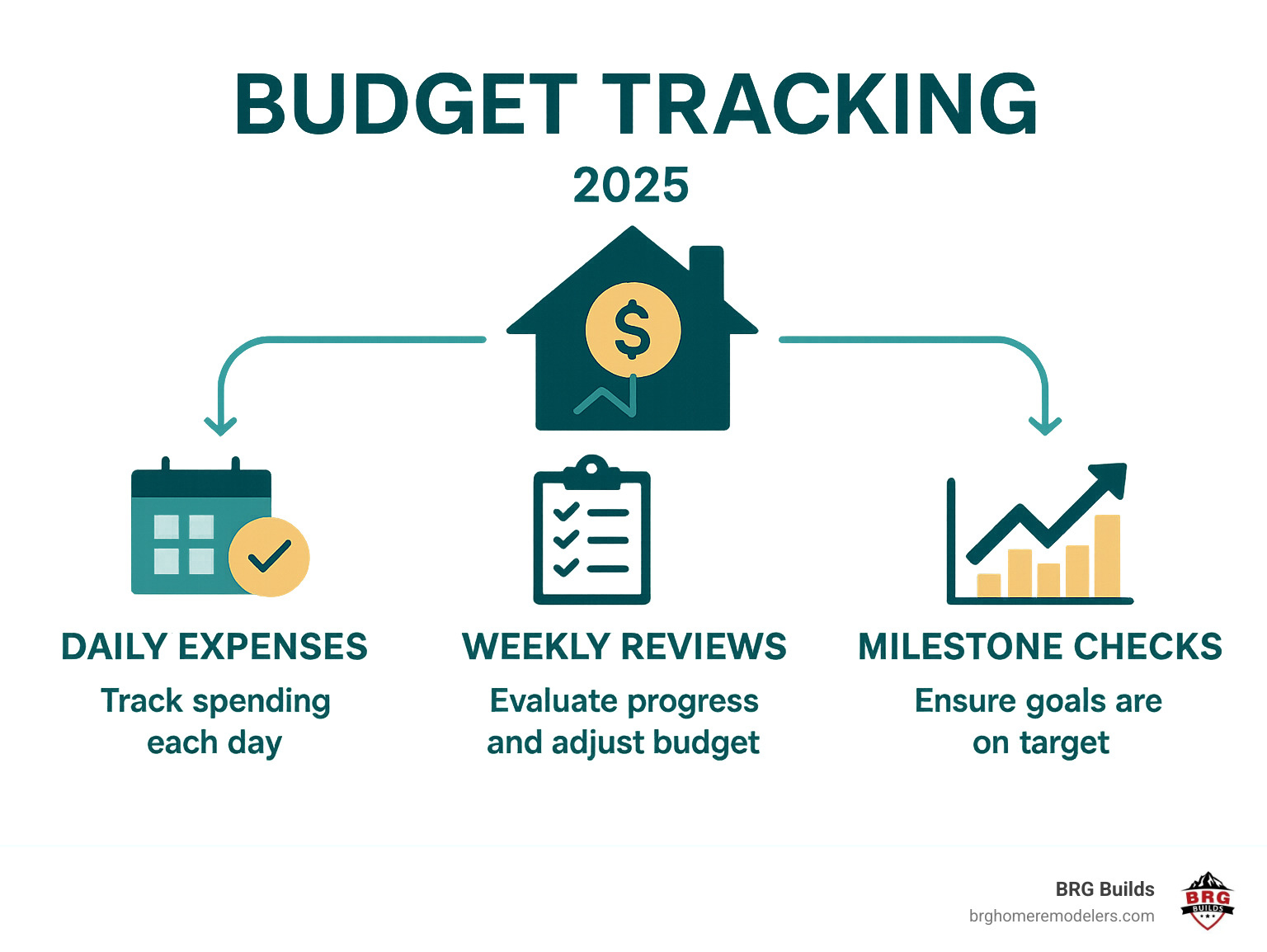
The secret weapon against budget chaos? Daily expense tracking. I know it sounds tedious, but trust me on this one. Use your smartphone to snap photos of every receipt the moment you get it. Whether it’s a $3 pack of screws or a $300 vanity, photograph it and log it immediately.
A simple budget app or spreadsheet becomes your financial lifeline. Weekly budget reviews keep you honest – set aside 15 minutes every Sunday to compare actual spending against your plan. This isn’t about perfection; it’s about catching problems while you can still fix them.
Milestone budget checks at 25%, 50%, and 75% completion work like early warning systems. When you hit each milestone, stop everything and assess where you stand financially. Are you tracking as expected? Behind? Ahead? This gives you time to adjust before you’re completely over budget.
Your contingency fund deserves special protection. Keep it in a separate account or envelope, and resist the temptation to dip into it for “just this one upgrade.” True emergencies are things like finding water damage or electrical issues that must be fixed for safety. That gorgeous light fixture you suddenly “need” doesn’t qualify.

Living through a remodel tests everyone’s patience, but smart planning makes it bearable. The key is accepting that your normal routine will be disrupted and preparing for it instead of fighting it.
Live-Through Tips for Remodeling on a Budget
Your temporary kitchen setup can make or break your sanity and your budget. Spending $200-400 on a microwave, coffee maker, mini-fridge, and paper goods saves you from expensive takeout meals that can add hundreds to your costs. Set up this temporary kitchen in your dining room, basement, or even a large closet – anywhere with an electrical outlet.
Zone off work areas with plastic sheeting to contain dust and debris. This isn’t just about cleanliness; it’s about maintaining livable space in the rest of your home. You can buy plastic sheeting for $50-100 and create barriers that keep construction chaos from taking over your entire house.
Clear communication with family members prevents stress and arguments. Post a simple schedule showing which rooms will be unusable when, and establish quiet hours for everyone’s sanity.
Debris control keeps your home safe and functional. For major projects, rent a dumpster or arrange regular pickup. Keep pathways clear – a twisted ankle from construction debris is the last thing you need during an already stressful time.
The goal isn’t to eliminate all disruption – that’s impossible during remodeling on a budget. The goal is to manage it so well that you can actually enjoy watching your vision come to life, one carefully tracked dollar at a time.
Frequently Asked Questions about Remodeling on a Budget
How much should I set aside for unexpected costs?
Here’s the truth about remodeling on a budget: surprises happen, and they cost money. I always tell homeowners to set aside 10-20% of their total budget for contingencies. Planning a $10,000 kitchen makeover? Keep $1,000-2,000 in reserve for those “oh no” moments.
Older homes need the higher end of this range because you never know what’s hiding behind those walls. I’ve seen perfectly planned projects hit snags when we find outdated electrical that needs upgrading or plumbing that’s seen better days. Sometimes the permit office requires additional work you hadn’t counted on.
The most common budget surprises include electrical updates required by current code, plumbing repairs finded during demolition, structural issues that weren’t visible initially, extra materials due to waste or miscalculations, and permit fees that weren’t on your radar. Think of your contingency fund as insurance – you hope you won’t need it, but you’ll be grateful it’s there.
Which tasks are truly DIY-friendly?
The sweet spot for DIY projects combines basic skills, common tools, and minimal safety risks. Painting transforms spaces for pennies on the dollar, and anyone can learn proper technique with a little practice. Hardware installation is straightforward – swapping cabinet pulls or door handles requires just a screwdriver and patience.
Basic tiling works great for backsplashes and small areas. Simple carpentry projects like floating shelves or accent walls give you that custom look without custom prices. These projects typically don’t require permits and have forgiving learning curves – mistakes are fixable without calling in professionals.
Stay away from DIY when it comes to electrical work requiring permits, plumbing relocations, structural modifications, and anything involving asbestos or lead paint. I’ve seen too many homeowners turn small problems into expensive disasters by tackling jobs beyond their skill level. When you’re unsure, get a professional consultation – it costs far less than fixing mistakes later.
What’s the best way to track daily expenses?
Your smartphone is your best friend for expense tracking. Photograph every receipt immediately – before it gets lost in your pocket or crumpled in your toolbox. I recommend using a simple app or spreadsheet where you can log the vendor, amount, category, and which part of your project the expense covers.
Weekly budget reviews are crucial for staying on track. Set aside 15 minutes every Sunday to compare your actual spending against your planned budget. This catches small overruns before they become major problems. Set up alerts when you approach budget limits for each category – it’s like having a financial early warning system.
Keep all receipts organized for warranty purposes and potential tax deductions. Some home improvement expenses qualify for tax credits, especially energy-efficient upgrades. Your future self will thank you for staying organized from day one.
Conclusion
Remodeling on a budget isn’t about settling for less – it’s about being smarter with your money. After helping countless Colorado homeowners transform their spaces without breaking the bank, I’ve seen how strategic planning beats big spending every time.
The most successful budget remodelers share a few key traits. They plan carefully before buying a single paintbrush. They hunt for materials at salvage centers and off-season sales. Most importantly, they understand that some upgrades deliver massive visual impact while others barely register to the eye.
Paint remains your secret weapon – it can make a $5,000 kitchen look like a $25,000 renovation. Keeping plumbing fixtures in their current locations saves thousands in rerouting costs. And that 20% contingency fund you thought was excessive? It’s what keeps you sleeping soundly when surprises pop up.
Your dream home doesn’t require winning the lottery. It requires patience, creativity, and knowing when to tackle projects yourself versus when to call in the pros. Whether you’re refreshing a single bathroom or reimagining your entire main floor, these principles will help you maximize every dollar while creating spaces that truly reflect your style.
The real magic happens when you combine smart spending with thoughtful design. That $500 kitchen change we talked about earlier? It happened because the homeowners focused on high-impact changes rather than expensive replacements. They painted instead of replacing, refinished instead of buying new, and added character through creative sourcing.
The best remodels aren’t necessarily the most expensive ones. They’re the ones that solve your family’s real needs while staying within your actual budget. Remodeling on a budget forces you to be creative, and creativity often leads to more interesting, personalized results than simply throwing money at problems.
When you’re ready to tackle your next project with professional guidance, our team at BRG Builds is here to help. We understand Colorado homes and can provide expert advice on which projects deliver the best return on investment. More info about contact options is available when you’re ready to move forward.
Your home should work for your family and your budget. With the right approach, you can have both beautiful spaces and money left in the bank.


