

Why Denver Commercial Properties Need Expert Roofing Contractors
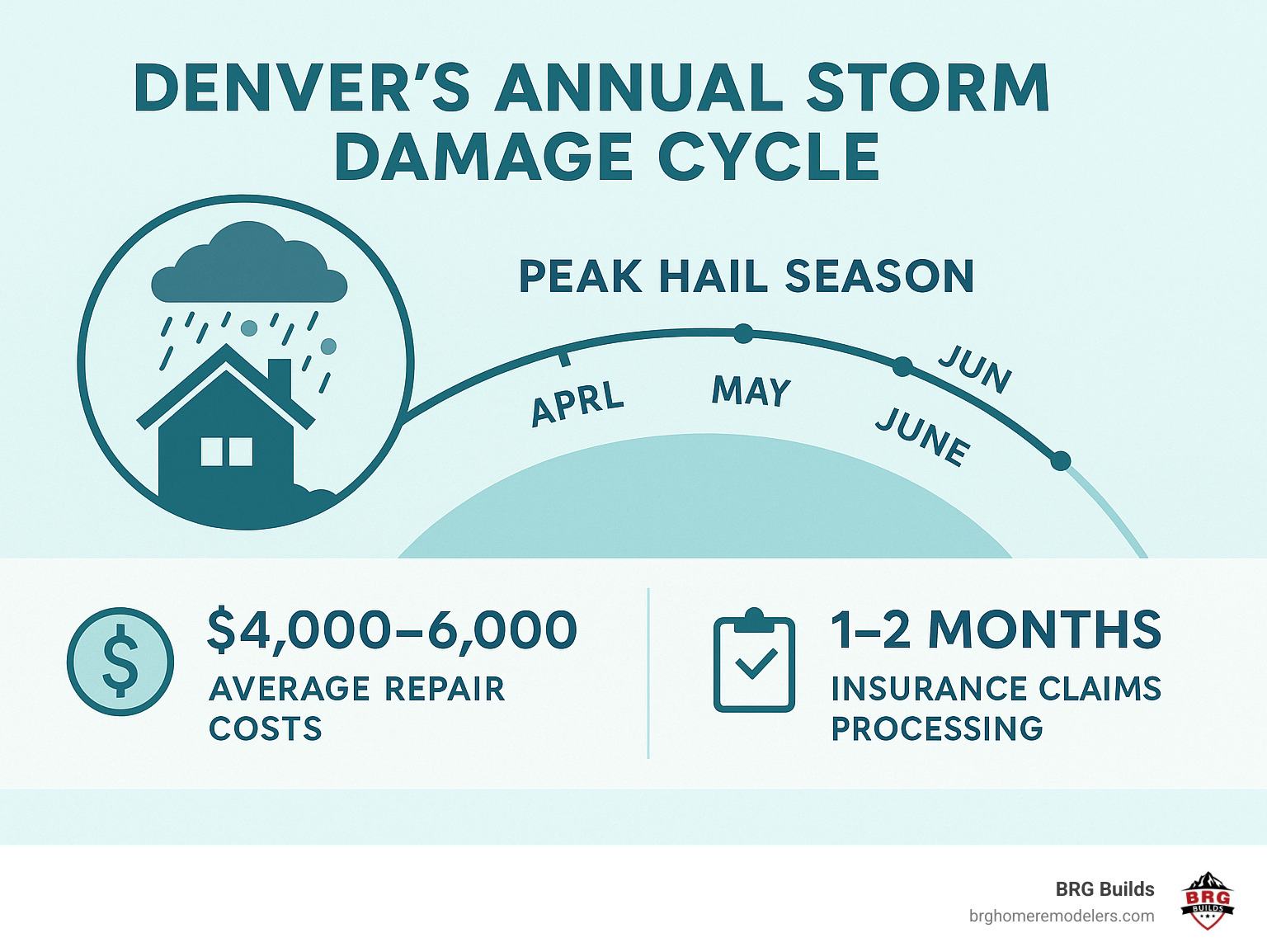
Finding a reliable roofing contractor denver businesses can trust isn’t just about replacing shingles – it’s about protecting your investment from Colorado’s brutal weather extremes. Denver’s unique climate brings intense UV exposure, sudden temperature swings, and devastating hailstorms that can destroy an unprepared roof in minutes.
Top Denver Roofing Contractor Essentials:
- A+ BBB rating with verified local references
- Licensed and insured with workers’ compensation coverage
- Manufacturer certifications (GAF Master Elite, Malarkey Emerald Premium)
- Emergency response within 4 hours for storm damage
- 15-20 year workmanship warranties backed by materials manufacturers
- Insurance claim expertise to steer adjuster meetings
The stakes are high for commercial properties. Colorado experiences severe hail seasons that can damage entire roof systems overnight. Smart business owners partner with contractors who understand local building codes, snow load requirements, and the unique challenges of the Front Range climate.
Quality matters even more when your business operations depend on a watertight facility. The average commercial roof replacement in Denver costs $4-$5 per square foot, but choosing the wrong contractor can multiply that investment through delays, callbacks, and premature failure.
I’m Benny Izquierdo, and I’ve completed over 100 successful roofing projects across Colorado’s challenging climate conditions. My experience working with insurance carriers, HOAs, and commercial property managers has taught me what separates exceptional roofing contractor denver services from the rest.
How to Choose a Roofing Contractor Denver Businesses Can Trust
Finding the right roofing contractor denver businesses can rely on feels overwhelming when you’re facing a damaged roof and mounting pressure to get it fixed fast. I’ve watched too many business owners rush into decisions they later regret – choosing contractors who vanish after the first payment or deliver work that fails within months.
The truth is, your contractor choice affects everything from your insurance claim success to how long your business stays operational during repairs. Let me walk you through what really matters when vetting contractors for your commercial property.
Start with the non-negotiables. Every legitimate contractor must carry a current Colorado contractor’s license and comprehensive insurance coverage. Don’t just take their word for it – ask to see the actual certificates for both general liability and workers’ compensation insurance.
Look for that A+ Better Business Bureau rating too. This isn’t just about handling complaints well – it shows a contractor has consistent business practices and actually cares about their reputation in the community.
Manufacturer certifications separate the pros from the pretenders. GAF Master Elite certification requires background checks, five years in business, and supervised installation inspections. The Malarkey Emerald Premium certification goes even further – it’s their highest level and allows contractors to offer 15-year workmanship warranties backed by the manufacturer.
These certifications aren’t just fancy certificates on the wall. They represent real training, accountability, and manufacturer support that protects your investment.
Local expertise makes all the difference when you’re dealing with Colorado’s crazy weather. We understand how altitude affects material performance, what snow load requirements really mean for your roof structure, and which materials actually hold up to our intense UV exposure.
National chains often miss these details. They might use installation methods that work fine in Florida but fail miserably when Denver’s temperature swings from 70 degrees to freezing in the same day.
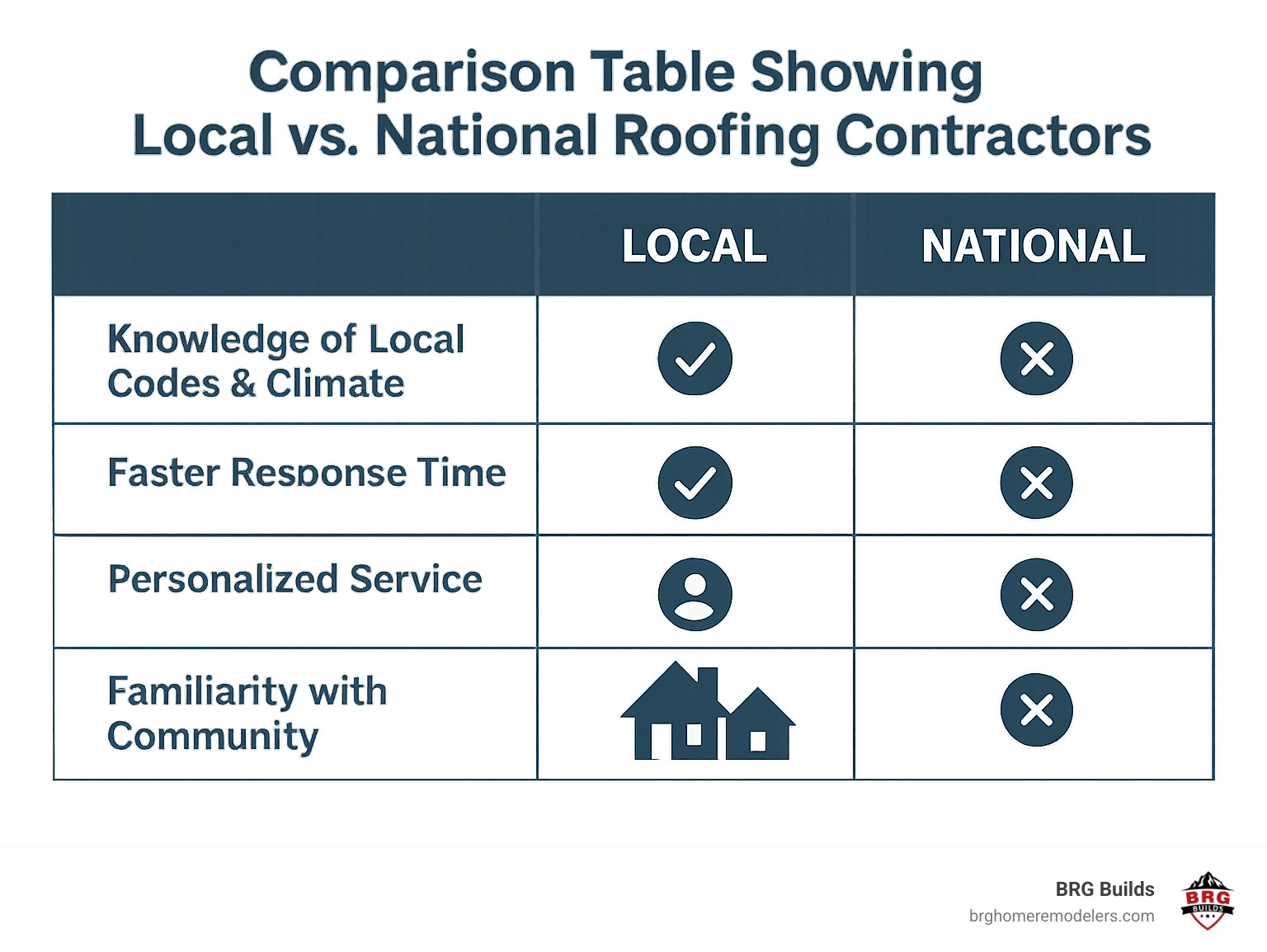
The numbers back this up: locally-owned contractors typically offer 15-20 year workmanship warranties, while national chains often limit coverage to 2-5 years. We stand behind our work because we’ll be here when warranty issues arise.
Vetting a Roofing Contractor Denver Shortlist
Once you’ve narrowed down your options, it’s time to dig deeper. This vetting process might feel like extra work, but it’s what separates a successful project from a nightmare experience.
Read online reviews like a detective. Don’t just look at the star ratings – dive into what customers actually say. Are they consistently praising punctuality and cleanliness? Do they mention good communication throughout the project?
Pay attention to negative reviews too, but focus on patterns rather than one-off complaints. Every contractor occasionally deals with an unreasonable customer, but consistent complaints about the same issues reveal real problems.
Free inspections should feel professional, not pushy. Legitimate contractors offer comprehensive inspections with detailed written reports and photos. We provide these thorough reports because informed customers make better decisions for their properties.
During the inspection, qualified contractors explain what they find and discuss your options without creating false urgency. They don’t show up at your door claiming your roof will collapse without immediate replacement.
Safety compliance isn’t optional for commercial projects. Ask about OSHA safety protocols, worker training programs, and accident history. Professional contractors maintain detailed safety records and can show you their training documentation.
Manufacturer certifications validate real installation expertise. Programs like Malarkey’s require certified contractors to complete supervised installations and ongoing training. This ensures contractors understand proper techniques and material specifications.
Scientific research on impact-resistant shingles
Red-Flag Checklist for Hiring a Roofing Contractor Denver
Protecting your business from roofing scams requires recognizing warning signs before you sign anything. I’ve helped numerous Denver businesses recover from bad contractor experiences, and certain red flags appear over and over again.
Storm-chasers are bad news. These contractors appear immediately after hailstorms, going door-to-door with urgent pitches about limited-time offers. They claim your insurance won’t cover repairs if you wait, which is simply false.
Legitimate local contractors don’t need to chase storms – we’re already established in the community with ongoing customer relationships.
Financial red flags should stop you cold. Never pay large upfront deposits – legitimate contractors typically request minimal down payments, often just enough to order materials. Contractors demanding 50% or more upfront often disappear with your money.
Be very suspicious of contractors offering to pay your insurance deductible. This practice violates insurance contracts and may constitute fraud.
Vague contracts spell trouble. Professional contracts specify material brands, installation methods, cleanup procedures, and warranty terms. If a contractor hands you a one-page agreement with generic language, keep looking.
Always verify insurance coverage directly with the insurance company. Don’t accept expired certificates or verbal assurances about coverage. Uninsured contractors can leave you liable for accidents and injuries on your property.
Commercial Roofing Solutions Built for Colorado Weather
Living at 5,280 feet means your roof faces challenges that most contractors have never seen. Denver’s weather doesn’t just test roofing materials – it destroys them. We’ve watched beautiful roofs turn into insurance claims after a single hailstorm, and we’ve learned which materials actually survive Colorado’s punishment.
After three decades of roofing contractor denver projects, I can tell you that material selection makes or breaks your investment. The wrong choice means you’re replacing your roof again in five years instead of twenty.
The Materials That Actually Work Here:
Asphalt shingles still dominate commercial applications, but only the right ones survive our climate. Class 4 impact-resistant shingles contain recycled rubber and plastic that flex under hail impact instead of cracking. These aren’t just tougher – they’re actually helping the environment by keeping thousands of old tires out of landfills.
TPO membranes shine on flat commercial roofs, literally. Their bright white surface reflects Denver’s intense UV radiation like a mirror, cutting your cooling costs significantly. The flexible construction handles our wild temperature swings without splitting or cracking.
EPDM rubber membranes laugh at our freeze-thaw cycles. While other materials crack and split, EPDM stays flexible from summer heat to winter cold. The dark surface actually helps by absorbing heat to melt snow and ice faster.
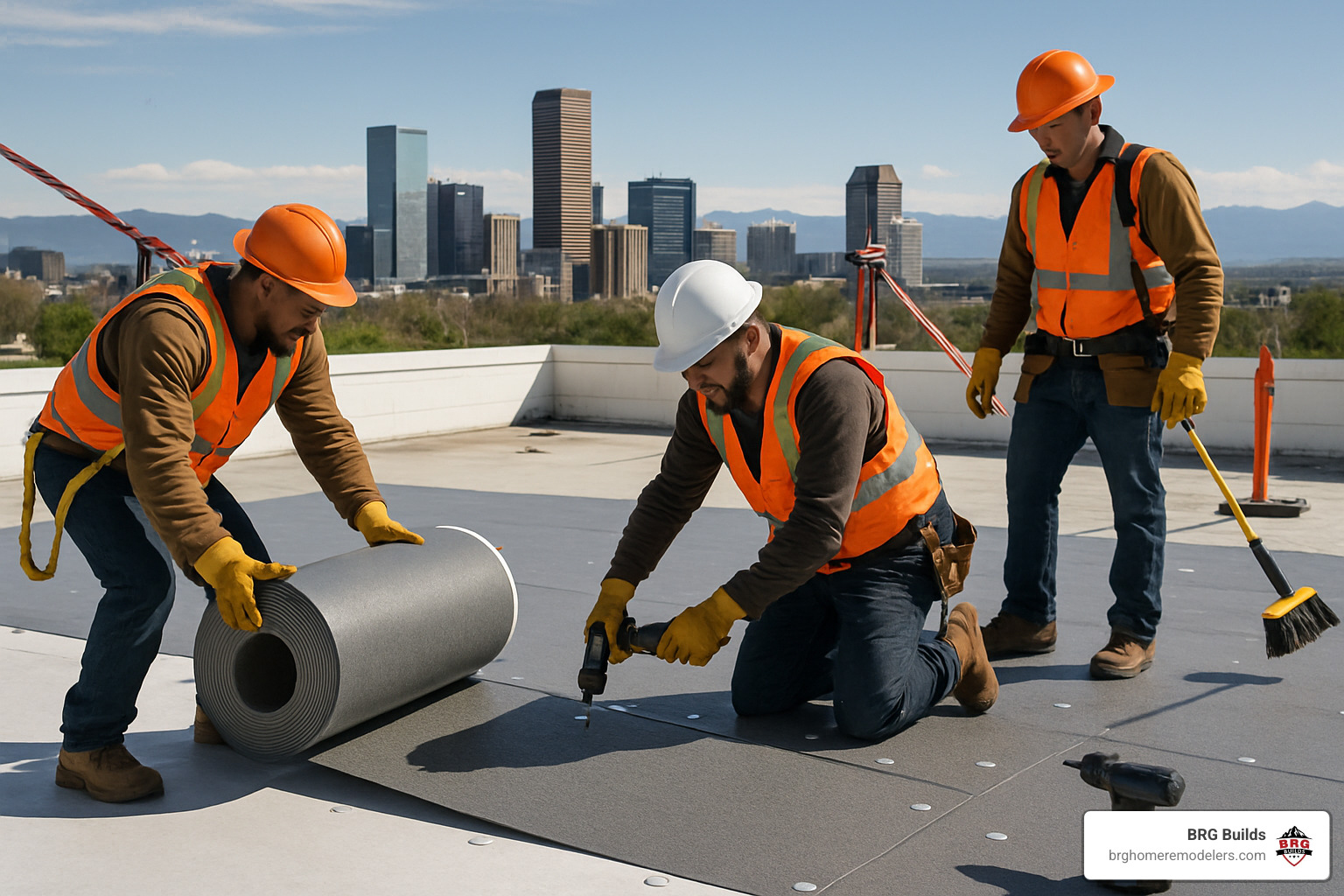
Metal roofing systems represent the ultimate durability investment. Standing seam metal roofs shed snow like water and bounce hail like ping pong balls. Yes, they cost more upfront, but they often outlast two or three traditional roof replacements.
Energy Efficiency That Pays You Back:
Cool roof systems can drop your roof surface temperature by 50-80 degrees during Denver’s blazing summers. That translates directly to lower air conditioning bills and a more comfortable building interior.
Solar-ready installations prepare your roof for the future without breaking the bank today. We design structural support and electrical pathways during initial construction, so adding solar panels later doesn’t require expensive modifications.
Material Match-Ups for Mile-High Conditions
Denver’s altitude creates roofing challenges that don’t exist anywhere else. The thin air, intense UV exposure, and dramatic temperature swings destroy materials that work perfectly at sea level.
What Really Matters at 5,280 Feet:
Wind ratings become critical above our elevation. Denver’s location exposes roofs to higher wind speeds and more frequent wind events than most places. We specify materials rated well above local building code minimums.
UV resistance matters exponentially more at altitude. The thinner atmosphere allows more solar radiation through, aging materials faster than in coastal climates. Materials that last twenty years in Florida might fail in ten years here without proper UV stabilization.
Snow load calculations must account for Denver’s unpredictable snowfall patterns. While our average snowfall seems manageable, occasional heavy snow events can collapse roofs designed for average conditions.
Life-cycle cost analysis reveals the true value of premium materials. That expensive metal roof often costs less over twenty years than two cheaper asphalt installations.
Sustainable & Eco-Friendly Upgrades
Environmental responsibility doesn’t mean sacrificing performance. Today’s sustainable roofing options often outperform traditional materials while reducing your building’s environmental impact.
Recycled content materials prove that green can mean tough. Modern impact-resistant shingles incorporate recycled rubber tires and plastic bags without compromising durability. Each roof installation diverts approximately five rubber tires and 3,200 plastic bags from landfills while delivering superior hail protection.
Smog-reducing granules actively clean the air around your building. These photocatalytic granules break down nitrogen oxides and other pollutants, providing air quality benefits equivalent to planting two trees per roof installation.
Reflective coating technologies extend existing roof life by 10-15 years while reducing energy consumption by 15-25%. These systems work particularly well in Denver’s high-altitude environment, where intense UV exposure normally accelerates roof deterioration.
Navigating Insurance Claims, Budgets & Timelines
Dealing with insurance after a hailstorm hits your commercial property doesn’t have to feel like wrestling with paperwork in a windstorm. I’ve walked countless Denver business owners through this process over the past 30 years, and honestly, it gets easier when you know what to expect.
Getting the damage assessment right is where everything starts. After a major hail event, we use specialized hail-mapping software that correlates storm data with your exact property location. This isn’t just fancy technology – it’s objective proof that insurance adjusters take seriously.
Remote inspection technology has been a game-changer for busy property managers. Using aerial imagery and detailed weather data, we can give you a preliminary damage assessment without waiting weeks for an in-person visit.
The documentation we provide includes detailed photos, precise measurements, and written reports that actually support your claim instead of raising more questions. I’ve seen too many businesses lose thousands because someone took blurry phone photos and called it “documentation.”
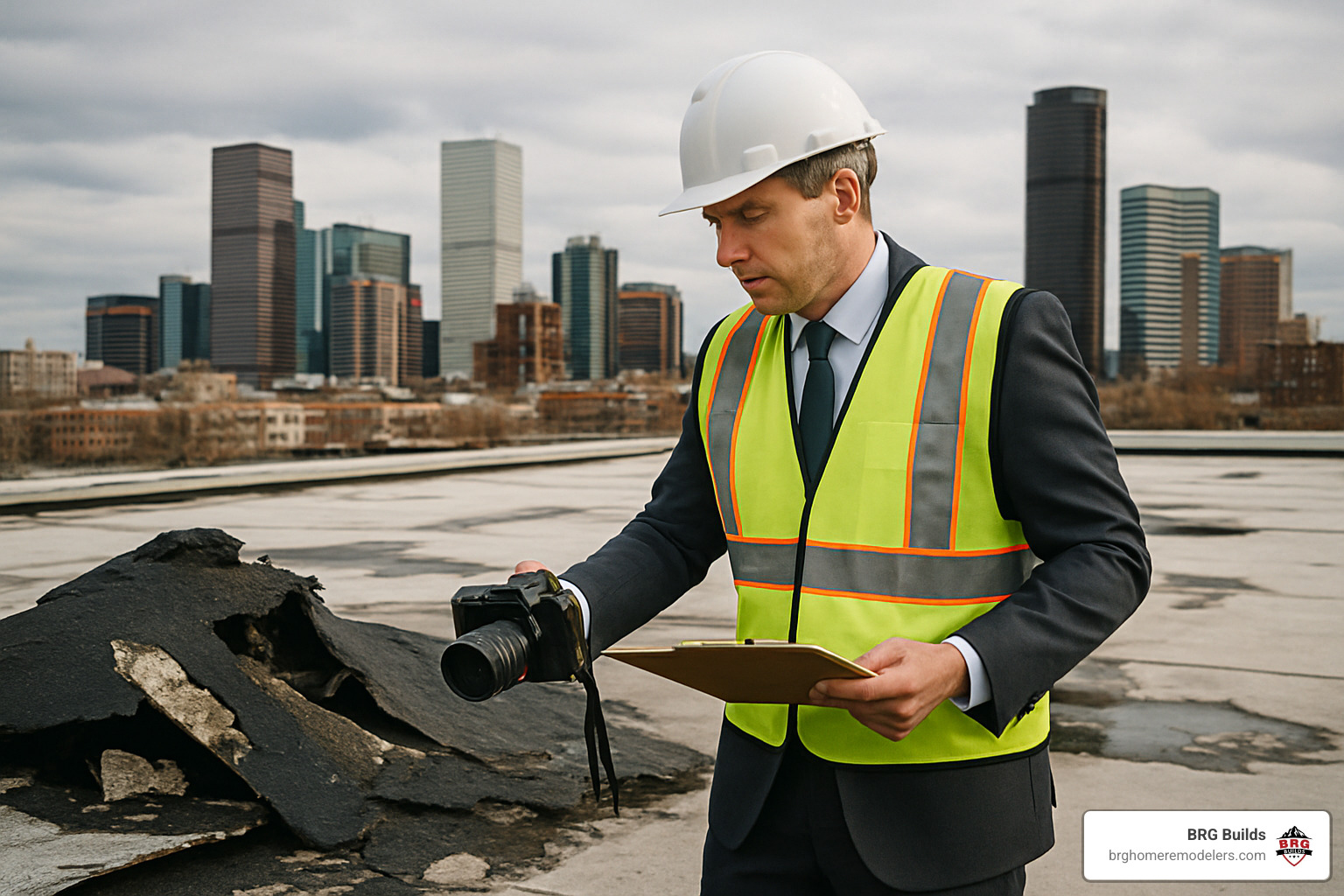
Working with insurance adjusters doesn’t have to be adversarial. Most adjusters appreciate roofing contractor denver professionals who understand the claims process and provide clear, factual information. When we attend adjuster meetings, we come prepared with documentation, material specifications, and scope details that help facilitate accurate settlements.
Supplement requests often become necessary when initial adjustments miss damage or underestimate repair complexity. The average commercial roof replacement in Denver costs $4-$5 per square foot, but hidden damage can push costs higher. We identify these issues early and provide detailed justification for additional coverage.
Step-by-Step Claim Guide with a Roofing Contractor Denver Pro
The insurance claims process feels overwhelming when you’re dealing with it alone. Having guided hundreds of Denver businesses through this maze, I’ve learned that a systematic approach minimizes delays and maximizes your coverage.
Start with proper damage documentation before anyone steps foot on your roof. Photograph all visible damage from multiple angles – close-ups showing specific impact points and wide shots that provide context. Don’t forget interior damage like water stains, damaged inventory, or disrupted operations.
Create detailed written descriptions that include dates, weather conditions, and how the damage affects your business operations. One client’s detailed documentation of lost productivity due to roof leaks added $15,000 to their settlement.
Contact your insurance company promptly, but avoid making statements about damage extent or repair costs. That’s what professional contractors are for. Let us provide the technical assessments and cost estimates.
The claim filing process moves faster when you’re organized. File your claim promptly after finding damage, but don’t rush into repair decisions. Insurance companies allow reasonable time for proper assessment and contractor selection.
Provide requested documentation promptly and completely. I’ve seen claims delayed for months because someone forgot to include a single form.
Schedule adjuster inspections when your contractor can attend. Professional contractors help adjusters identify all damage and ensure accurate scope development. We catch things that might otherwise be missed – like damaged flashing or compromised insulation.
Settlement and repair coordination requires attention to detail. Review settlement details carefully before accepting payments. Make sure all damage is covered and repair specifications match your actual needs.
We coordinate material ordering with insurance timelines to avoid delays. Some materials require extended lead times, particularly after major storm events when every building in Denver seems to need new roofing.
Budget Planning & Financing Hacks
Smart financial planning makes commercial roofing projects less stressful and more profitable for your business. After three decades of helping Denver businesses steer these investments, I’ve learned a few tricks that save money and headaches.
Cash flow staging protects your business while keeping contractors accountable. We structure payment schedules around project milestones – small deposits to get started, progress payments as work advances, and final payment upon completion.
Insurance settlements often arrive in multiple payments, which requires careful coordination with project timelines. We help clients manage this process to avoid financing gaps that could delay completion.
Tax incentives and energy rebates can significantly offset roofing costs for savvy business owners. Local utilities offer substantial rebates for cool roof installations and insulation upgrades. These aren’t small token payments – we’re talking about rebates that can cover 10-20% of total project costs.
Maintenance contracts provide predictable budgeting while extending roof life. Rather than facing surprise repair bills, scheduled maintenance catches small problems before they become expensive emergencies.
From First Call to Final Clean-Up: The Commercial Roofing Project Roadmap
Every successful commercial roofing project follows a systematic process that protects your business interests while ensuring quality results. Our 30+ years of experience has refined this process to minimize disruptions and maximize value.
Pre-Project Planning:
Comprehensive inspections identify all issues before work begins. We examine structural conditions, existing materials, and potential complications that could affect timeline or budget.
Detailed scope documents eliminate surprises and change orders. These specifications include material brands, installation methods, safety protocols, and cleanup procedures.
Building permit acquisition ensures code compliance and protects your investment. We handle permit applications and coordinate inspections to keep projects on schedule.
Material Staging and Logistics:
Strategic material delivery minimizes site disruption while ensuring availability when needed. We coordinate deliveries with building operations to avoid conflicts with business activities.
Weather contingency planning protects materials and maintains project schedules. Colorado’s unpredictable weather requires flexible scheduling and protective measures for sensitive materials.
Safety planning protects workers, occupants, and visitors throughout the project. Comprehensive safety protocols include fall protection, hazard communication, and emergency procedures.
Installation and Quality Control:
Daily progress reports keep you informed of project status and any issues requiring attention. Transparent communication prevents surprises and maintains trust throughout the project.
Drone imagery documentation provides objective progress records and quality verification. These images support warranty claims and provide valuable records for future maintenance planning.
Multi-stage inspections ensure quality at each project phase. We inspect work before covering it up, preventing hidden defects that could cause future problems.
Guaranteeing Quality & Customer Satisfaction
Quality assurance extends beyond installation completion. Our comprehensive approach ensures long-term performance and customer satisfaction.
Installation Quality Control:
Manufacturer-trained installers follow proven procedures that maximize material performance and warranty coverage. Proper installation techniques prevent premature failures and costly callbacks.
Third-party inspections verify installation quality and compliance with manufacturer specifications. These inspections often qualify projects for extended warranties and better insurance rates.
Photo documentation creates permanent records of installation details. These images support warranty claims and help future contractors understand system configuration.
Performance Monitoring:
Scheduled maintenance programs identify potential issues before they become expensive problems. Regular inspections and minor repairs extend roof life and prevent business disruptions.
Warranty tracking ensures you receive full benefit from material and workmanship guarantees. We maintain detailed records and coordinate warranty service throughout coverage periods.
Emergency Response & 24/7 Service
Colorado weather doesn’t follow business hours, and neither do we. Emergency response capabilities protect your business when severe weather strikes.
Storm Response Protocol:
24-hour emergency hotline provides immediate access to professional assistance. Our storm response team prioritizes calls based on safety risks and business impact.
Temporary repairs within 4 hours minimize water damage and business disruption. Emergency tarping and temporary patches protect your property until permanent repairs can be completed.
Business continuity planning helps maintain operations during repair work. We coordinate with facility managers to minimize disruptions and maintain essential services.
Frequently Asked Questions about Commercial Roofing in Denver
What are the best roofing materials for Denver’s climate?
After three decades working as a roofing contractor denver businesses trust, I can tell you that material selection makes or breaks your roof’s performance in Colorado’s punishing weather.
Class 4 impact-resistant shingles are your best defense against our notorious hailstorms. These heavy-duty shingles contain recycled rubber and plastic that helps them flex under impact rather than crack. I’ve seen these materials survive golf-ball-sized hail that destroyed standard shingles on neighboring buildings.
For flat commercial roofs, TPO and EPDM membranes dominate the market – and for good reason. TPO’s white reflective surface cuts cooling costs while handling our extreme temperature swings. EPDM rubber membranes excel in freeze-thaw cycles that crack lesser materials. Both systems can last 20+ years when properly installed.
Metal roofing systems offer the ultimate durability for businesses serious about long-term performance. Standing seam metal roofs shed snow efficiently and laugh at hail damage that devastates other materials. Yes, they cost more upfront, but they often outlast two or three traditional roof replacements.
Don’t overlook cool roof systems in our high-altitude environment. Reflective materials can reduce your roof surface temperature by 50-80 degrees, slashing air conditioning costs during Denver’s sunny summers. Many of these systems qualify for utility rebates that help offset the initial investment.
How quickly can a contractor respond after a hailstorm?
When severe weather hits Denver, every minute counts in preventing water damage and business disruption. As an experienced roofing contractor denver commercial properties rely on, we maintain 24-hour emergency response capabilities specifically for these situations.
Our mobile assessment teams typically reach affected properties within 4 hours for emergency repairs and temporary protection. This rapid response includes tarping, temporary patches, and securing your building against further damage.
However – and this is important – comprehensive assessments require more time. Any contractor offering same-day permanent repairs after major storms should raise red flags. Quality work demands proper evaluation, material procurement, and appropriate weather conditions for installation.
Expect initial damage assessments within 24-48 hours, followed by detailed repair proposals within a week. We prioritize thorough evaluation over speed because rushing leads to missed damage and inadequate repairs.
During major storm events, material availability and contractor scheduling can extend timelines. Professional contractors maintain relationships with suppliers and coordinate efficiently, but Mother Nature doesn’t follow our preferred schedules.
Are free roof inspections and estimates standard practice?
Absolutely – legitimate contractors offer free inspections and estimates for commercial properties. This practice benefits both parties by providing valuable roof condition information without financial pressure.
Professional inspections include detailed written reports with photos, material assessments, and specific repair recommendations. We document everything because informed customers make better decisions. Beware of contractors offering only verbal estimates or using high-pressure tactics during inspections.
The key difference lies in inspection quality and documentation. Professional assessments identify potential problems before they become expensive emergencies. We photograph damage, measure affected areas, and provide written reports you can share with insurance companies or facility managers.
However, specialized services may involve fees. Infrared surveys, core sampling, or structural engineering assessments require expensive equipment and specialized expertise. Professional contractors clearly explain any charges before providing these services.
Free inspections work because they build trust and demonstrate expertise. When you see the thoroughness of our assessment process, you understand the value we bring to your roofing project.
Conclusion
Finding the right roofing contractor denver businesses can trust isn’t just about getting the lowest bid – it’s about protecting your most valuable asset from Colorado’s unpredictable weather. After three decades of working on roofs across the Front Range, I’ve seen what happens when businesses cut corners on roofing decisions.
The difference between a good contractor and a great one shows up when the next hailstorm hits. Quality roofing contractors don’t just install materials – we build relationships that last decades. We’re the ones you call at 2 AM when a pipe bursts through your roof, or when your insurance adjuster needs technical documentation for a claim.
At BRG Builds, we’ve weathered every major storm that’s hit Denver, Littleton, Golden, Greenwood Village, Castle Rock, Colorado Springs, Parker, Highlands Ranch, Lakewood, and Douglas County over the past 30+ years. Each project teaches us something new about Colorado’s challenging climate and how to build roofs that truly last.
Our approach goes beyond just fixing immediate problems. We look at your commercial roofing needs through the lens of business continuity, energy efficiency, and long-term value. Whether you’re dealing with emergency hail damage or planning a proactive replacement, we bring the same level of expertise and care to every project.
The investment in professional roofing pays for itself through reduced maintenance costs, fewer emergency repairs, and peace of mind knowing your business operations won’t be disrupted by the next weather event. Colorado’s climate demands nothing less than expert craftsmanship and proven materials.
Don’t gamble with storm-chasers or inexperienced contractors who promise quick fixes. Your business deserves roofing solutions engineered for Colorado’s unique challenges, installed by professionals who understand what it takes to succeed in our demanding environment.
Contact us for a free commercial roof assessment and find how BRG Builds protects Denver businesses with roofing solutions built to last. After 30 years of solving Colorado’s toughest roofing challenges, we’re ready to solve yours too.


